Lifestyle
UK's Best Third-Wave Coffee Cities to Visit in 2026
By James Whitmore · 2026-04-06 · 7 min read
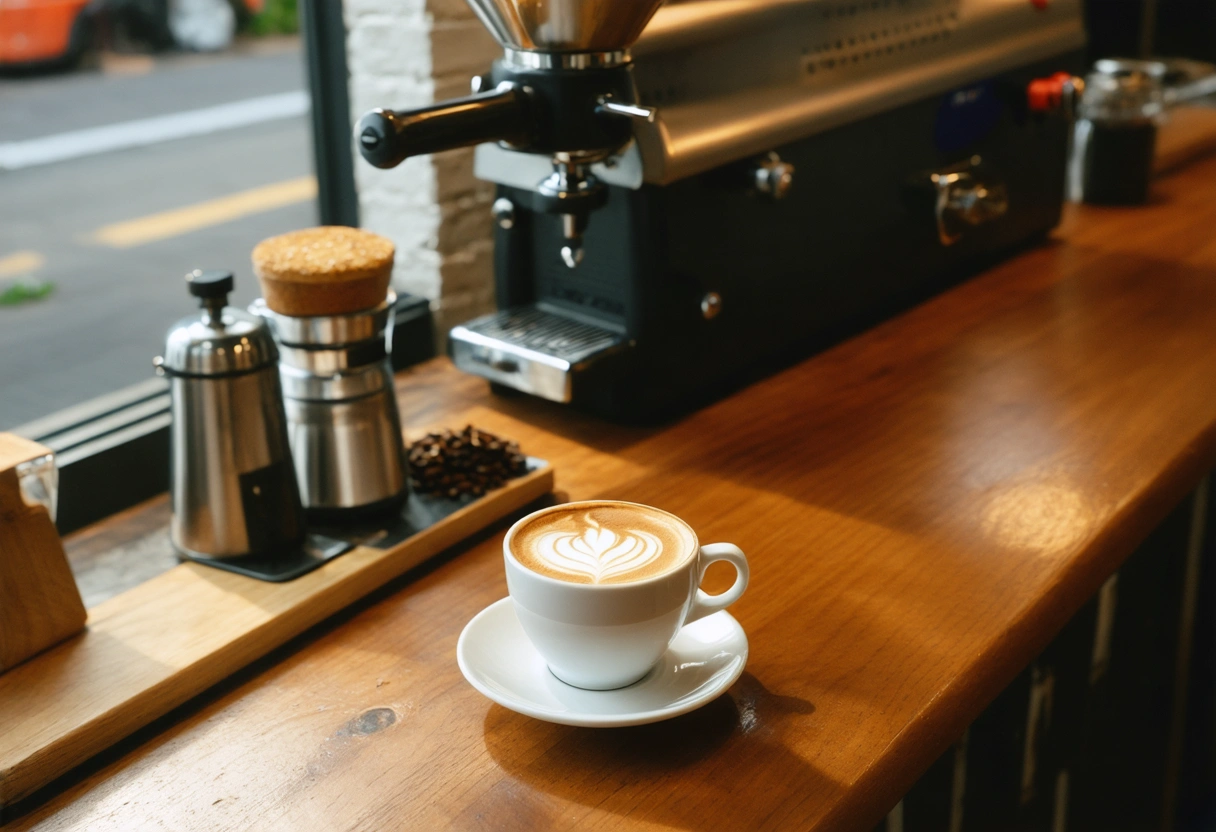
The UK's third-wave coffee scene was a London story for a decade. It isn't anymore. Eight cities where independent specialty roasters and bars now define the coffee culture, and what makes each different.
Specialty coffee — the "third wave", to use the term that took hold in the 2010s — refers to the movement that treats coffee with the seriousness most adjacent industries reserve for wine. Single-origin beans, careful roasting, considered brewing, transparent supply chains. Britain came to this comparatively late but has caught up at speed, and the scene is no longer concentrated in any one city.
These eight UK cities each have a meaningful specialty coffee culture in 2026, with at least three to five independent roasters and a critical mass of cafés that buy from them.
1. Bristol
Bristol's coffee scene grew out of an unusually strong independent food culture and now sits as the most-developed specialty market outside London. Roasters like Extract and Triple Co Roast supply most of the city's better cafés. The Stokes Croft area is the historical centre but the scene has spread to Bedminster and Clifton. Gloucester Road has the densest concentration of cafés worth a stop.
2. Manchester
The Northern Quarter holds the highest density of specialty cafés outside London — Pollen, Foundation Coffee House, Idle Hands among others. Manchester's roasters (Pot Kettle Black, Atkinsons via Lancaster) have all moved into the city as the demand has grown. The scene now extends to Ancoats, with several roasters opening retail spaces alongside their wholesale operations.
3. Edinburgh
Edinburgh has become Scotland's specialty coffee capital, narrowly ahead of Glasgow. Williams & Johnson and Brew Lab were among the early movers; both still anchor the scene. The Old Town and Stockbridge are the densest areas. Edinburgh's coffee-bar style tends toward traditional Italian-influenced rather than Australian-influenced flat-white culture, which is unusual in the UK.
4. Glasgow
Glasgow's specialty scene grew through the 2010s and is now genuinely strong, with Papercup Coffee, Spitfire Espresso, and others at its core. The city has more independent cafés per capita than most UK cities and the quality is consistent. The West End and Finnieston are the most reliable areas to find specialty.
5. Leeds
The Yorkshire scene has consolidated around a small number of strong roasters — North Star, Casa Espresso (in Bradford but supplying Leeds), and several smaller producers. Leeds' city centre is unusually dense with specialty cafés for a city of its size. The wider Yorkshire scene benefits from having one of Europe's most respected coffee training institutions in nearby Leeds Beckett.
6. Cardiff
Cardiff's scene is smaller than Bristol's but punches above its weight. Hard Lines is the most visible local roaster; Coffee Barker, Uncommon Ground, and Brød Bakery (which doubles as a strong specialty café) are anchors. The Pontcanna and Cathays areas hold the densest concentration.
7. Brighton
Brighton's coffee culture has the longest continuous specialty history outside London, dating back to early movers like Small Batch in 2008. The North Laine area and the streets around the railway station hold most of the better venues. Brighton's roasters supply much of Sussex; the city itself has more cafés per resident than the national average.
8. Belfast
Belfast's scene has grown substantially since 2018. Established Coffee, Bullhouse, and several others form the core. The Cathedral Quarter is the most reliable area for visitors. Belfast's specialty culture is unusual in being more food-and-coffee than coffee-only — many of the better venues are hybrid bakery-café-roasters rather than coffee-only bars.
What to look for in a specialty café
A few visual signals separate genuine specialty cafés from cafés that simply serve coffee in a fashionable space:
- The grinder. Specialty-grade espresso grinders (Mahlkönig, Mythos, EK43) are visible on the bar. Cheap supermarket-grade grinders mean the coffee won't be at specialty quality regardless of the bean.
- The named beans. A specialty café will tell you the origin (country, often farm or co-op), the variety, the process (washed, natural, honey), and roughly when the beans were roasted. If they can't tell you this, they're not specialty.
- The pour-over option. Most specialty bars offer at least one filter brew option (V60, Aeropress, batch brew). A pure-espresso bar isn't necessarily worse, but the filter availability is a useful indicator.
- The roaster relationship. Specialty cafés typically buy from named roasters. The roaster's bag is usually displayed somewhere near the bar.
How to use a coffee weekend
If you're planning a trip with coffee as part of the appeal:
- Visit cafés in the morning when the baristas have time to talk and the beans are at their freshest
- Order an espresso first — it tells you more about a café's standards than any milk drink
- Try a filter coffee from a single origin in the early afternoon
- Buy a bag of beans to take home; the cafés that sell whole bean usually price the bag below their wholesale margin and it's how they want you to experience the coffee at its best
Most specialty cafés are happy to talk about what they do. The barrier is usually just the customer not knowing what to ask.
The UK specialty coffee scene is, by 2026, decentralised and genuinely strong in a dozen cities. The London-centric framing of the 2010s no longer holds. The interesting cafés are everywhere.
A practical first city
If you've never made a deliberate trip to a UK city for the coffee, Manchester or Bristol are the most reliable starts. Both have enough density of specialty venues to fill a weekend, both are easy to reach by train, and both have other things worth doing alongside the coffee. Edinburgh is the strongest case in Scotland for the same purpose.
Related Reading
- 10 Decluttering Decisions UK Households Get Wrong
Lifestyle · 7 min
- How to Build a Morning Routine That Works for Shift Workers
Lifestyle · 7 min
- UK's Best Weekend Breaks to Take in 2026
Travel · 8 min