Travel
UK's Best Weekend Breaks to Take in 2026
By Maya Patel · 2026-04-26 · 8 min read
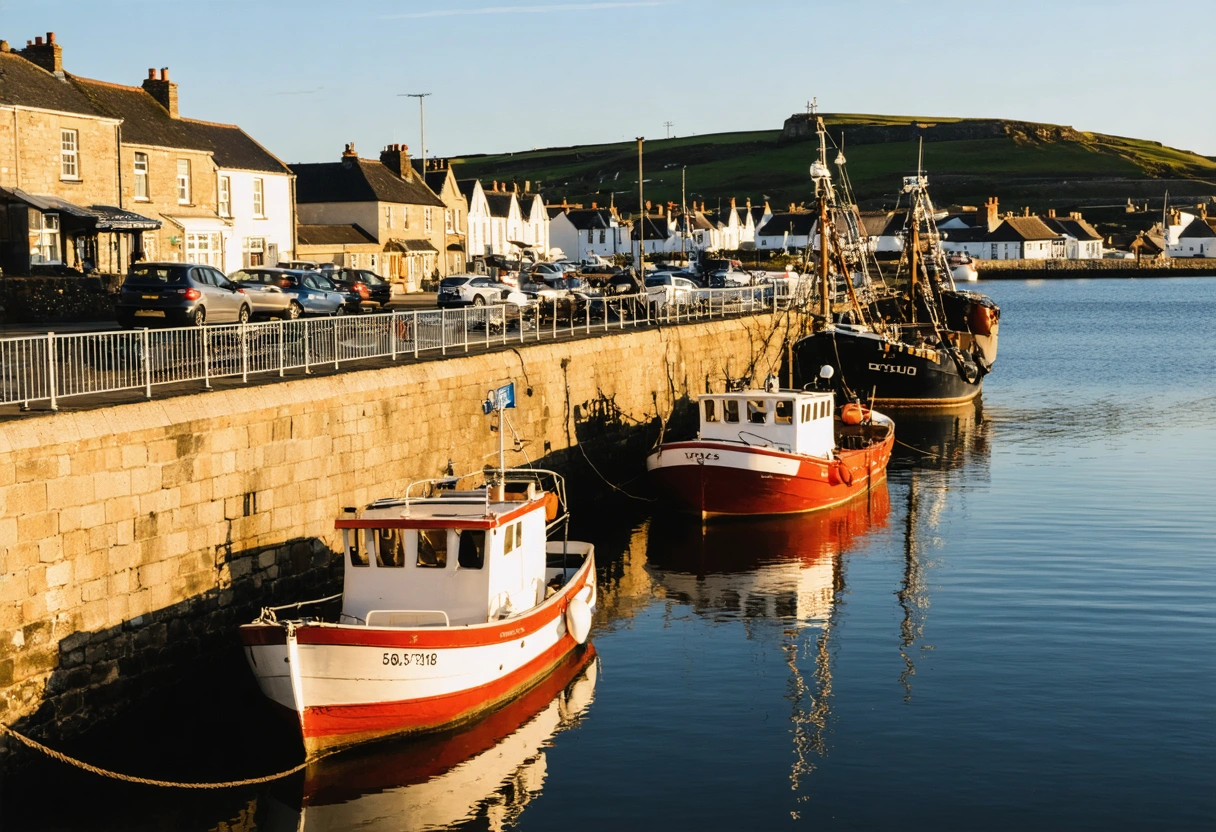
The best UK weekend breaks aren't the obvious ones at peak season. These eight reward off-peak timing, train arrivals, and a willingness to leave the high street and walk for an hour.
UK domestic travel is shaped by school holidays, weekend traffic patterns, and the weather, and the most rewarding short trips are usually the ones that work around all three. The list below is drawn from places that combine reliable train access, a walkable centre, at least one substantial reason to be there beyond the town itself, and a workable two-night itinerary.
1. Whitstable, Kent
Reachable from London in under ninety minutes by train, Whitstable rewards an arrival on Friday evening. The harbour, the working oyster sheds, the long shingle beach, and the Saturday market are all within ten minutes' walk of the station. Visit out of high summer and the quiet is part of the appeal. Eat at one of the seafood places by the harbour at lunch, walk west toward Seasalter for the long view, and book somewhere central rather than driving in.
2. Stamford, Lincolnshire
Stamford has been described as one of the finest stone-built towns in England, and the descriptor holds up on arrival. The market square, the four parish churches, and the river Welland frame a centre that's almost entirely free of large modern intrusions. Burghley House, fifteen minutes' walk away, is among the great Elizabethan houses of England. The trains from London King's Cross to Peterborough and onward to Stamford take under two hours.
3. Hay-on-Wye, Powys
Famous for books and the May literary festival, Hay-on-Wye in October or February is a different and better experience. The bookshops are open, the bridges over the Wye are quiet, and the surrounding countryside — particularly the Black Mountains to the east — is at its most striking out of summer. Reachable by train to Hereford and then a forty-minute bus or taxi.
4. Aldeburgh, Suffolk
Composer Benjamin Britten's town and the home of Snape Maltings, an exceptionally programmed concert hall in a former industrial building. The shingle beach, the low fishing huts, and the long walk to Thorpeness reward time spent on foot. Best reached via Saxmundham by train and a short taxi onward.
5. Holmfirth, West Yorkshire
The original setting of Last of the Summer Wine, but a far better place than that suggests. The walks into the Holme Valley begin from the centre of town and reach genuine moorland within twenty minutes. The cafés and bakeries on Hollowgate are unusually good for a town of this size. Reachable by train to Huddersfield and a half-hour bus.
6. Conwy, North Wales
A walled medieval town of unusually intact construction, with a 13th-century castle and a working harbour. The walls themselves can be walked in about thirty minutes, with views over the estuary toward Anglesey. The North Wales coast railway from Chester to Holyhead stops at Conwy directly, which makes it one of the few medieval European walled towns reachable directly from London by a single change of train.
7. Edinburgh, off-festival
Edinburgh in early November or late January is, for the visitor, a different city from Edinburgh in August. Hotel rates are lower, restaurants are bookable, the Old Town is walkable rather than crowded, and the New Town's Georgian streetscape is at its most photogenic in low winter light. Take the train to avoid the airport queues; even from London the journey is around four and a half hours.
8. St Davids, Pembrokeshire
The smallest city in Britain, with a 12th-century cathedral that hides in a hollow below the town's main street. The Pembrokeshire Coast Path passes within ten minutes' walk of the centre and connects to some of the finest sea cliffs in the United Kingdom. St Davids requires a car or a careful bus connection from Haverfordwest by train, which keeps casual visitor numbers down.
How to make any of these work
Three patterns separate good UK weekend breaks from disappointing ones:
- Arrive Friday evening, leave Sunday afternoon. A two-night break with proper Saturday and most of Sunday is materially better than a one-night break that loses Saturday evening to packing.
- Walk from the station rather than driving in. Arriving by train forces you to stay centrally and to use your feet, which is usually how the place reveals itself.
- Visit out of school holidays. UK domestic travel costs roughly halve outside the main holiday weeks, and the experience improves disproportionately. The week after Easter and the first two weeks of November are particularly underrated.
Practical accommodation note
For weekend trips, the value usually sits in independent guesthouses and small hotels rather than chain accommodation. They book up earlier in summer, so for May–September trips, planning four to six weeks ahead is sensible. For November–March, two weeks is often enough.
The British weekend break has been written about endlessly, but the genuine variety on offer is much wider than the lists in the Sunday papers suggest. Most of it is reachable by train and works better in October than in August.
Related Reading
- A Practical Guide to UK Coastal Walks for First-Time Walkers
Travel · 8 min
- Inside the World of Britain's Quiet Train Revival
Travel · 7 min
- UK's Best Third-Wave Coffee Cities to Visit in 2026
Lifestyle · 7 min