Travel
A Practical Guide to UK Coastal Walks for First-Time Walkers
By Sophie Clarke · 2026-04-10 · 8 min read
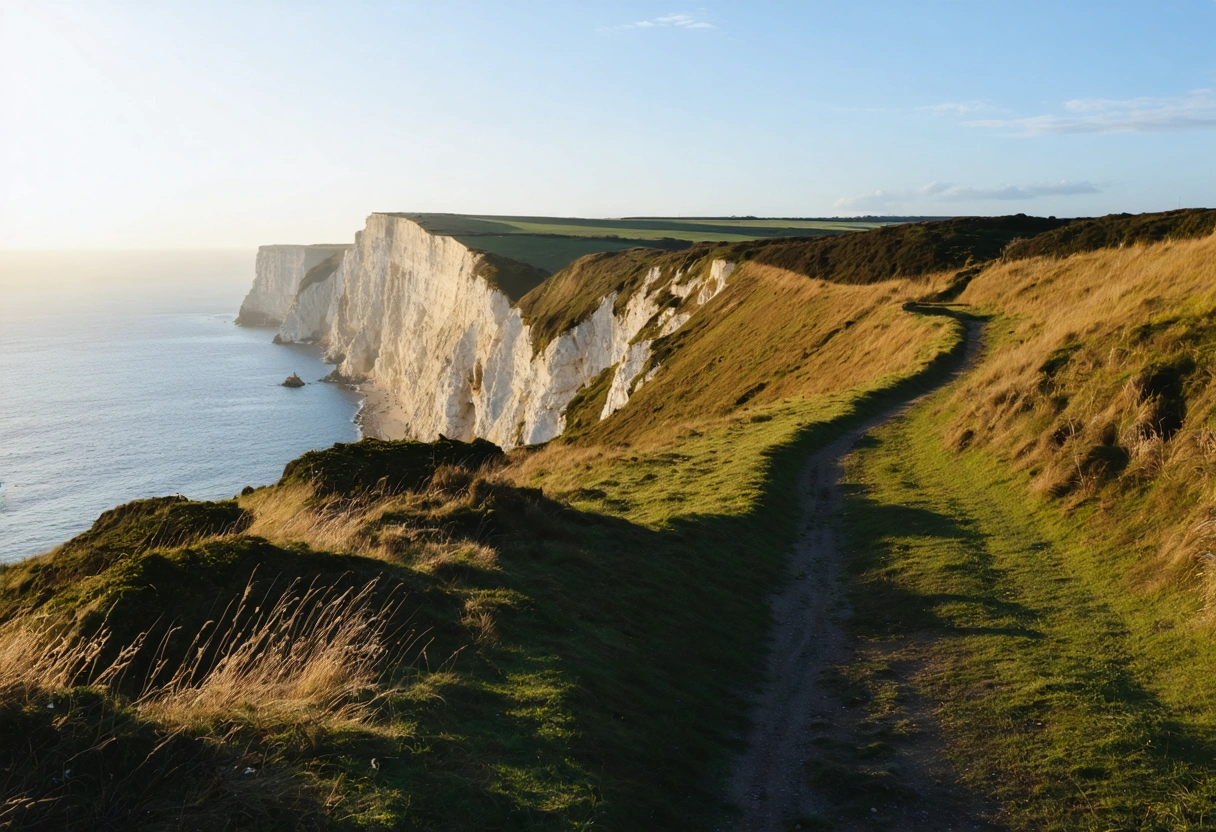
The King Charles III England Coast Path, the Wales Coast Path, and the Scottish core paths together cover most of the UK shoreline. But planning a first coastal walk well requires picking sections that fit a one-day rhythm, not throwing yourself at the famous routes unprepared.
The UK coastline is unusually well served by waymarked walking paths. The completion of the England Coast Path is one of the most ambitious public-access projects of the last twenty years, and it joins the existing Wales Coast Path (open since 2012) and the South West Coast Path (which has been a national trail since 1973) to give a more or less continuous walkable shoreline around most of Britain. For a first-time coastal walker, the question is no longer "can I find a path" but "which section is actually right for a Saturday".
What "first-time coastal walker" means in practice
A first day-walk on the UK coast is meaningfully different from inland walking. The key differences:
- The wind is genuinely a factor and can substantially change effort and time
- The terrain is rarely flat — even gentle coastal sections involve ups and downs through coves, valleys, and cliff steps
- Phone signal is patchy in many sections, including some near the path's most popular points
- Tides matter on some sections and don't on others, but you need to know which is which
A planned 12-kilometre walk on a coast path typically takes the same time as an 18-kilometre inland walk on flat ground.
What kit you actually need
For a single day-walk on a UK coastal path in fair weather:
- Walking shoes or low boots, broken in
- Waterproof jacket (lightweight, packable; weather changes faster on the coast)
- A litre and a half of water per person, more in summer
- Lunch and one substantial snack — there are often no shops between section ends
- Phone with the OS Maps app or downloaded offline maps for the section
- A small first-aid kit
- Sun cream — coastal UV reflects off the sea and is consistently underestimated
The single most under-packed item on UK coastal walks is water. The single most over-packed item is heavy clothing.
Sections that genuinely work for a first walk
A good first coastal walk has a logical start and end, with public transport at both, and a finishable distance. Several sections consistently meet that test:
Lulworth Cove to Kimmeridge, Dorset
About 11 kilometres of dramatic Jurassic Coast walking. Bus connections at both ends. The sections between Worbarrow Bay and Kimmeridge include some genuinely steep ascents but the views are exceptional.
St Bees to Whitehaven, Cumbria
About 6 kilometres on the western edge of the Lake District. Train connections at both ends. Cliff-edge walking with seabird colonies in season; suitable for less experienced walkers because the gradients are gentler.
Beadnell to Craster, Northumberland
About 12 kilometres past Dunstanburgh Castle. Bus connections. Long beach sections alternated with cliff path; the castle ruins on the headland are some of the most photographed in the country and rightly so.
Mumbles to Caswell Bay, Gower
About 8 kilometres along the Wales Coast Path on Britain's first designated Area of Outstanding Natural Beauty. The Mumbles end is well served by Swansea buses, the Caswell end less so but still reachable.
Cromer to Sheringham, Norfolk
About 9 kilometres on the Norfolk Coast Path with a parallel coastal railway, which makes one-way walking practical. Gentle gradients, broad views, and reliable cafés at both ends.
Tides — when they matter
Most UK coastal paths run along the cliff top and tides don't affect them. A few sections, however, drop down to beaches that are crossable only at lower tides. The sections most often caught out by this are:
- The crossings near St Bees Head
- Parts of the Cardigan Bay coast in West Wales
- Several sections of the East Anglian path
- Approaches to St Michael's Mount
The Easytide service from the UK Hydrographic Office gives free tide times for over 600 UK ports. On any walk that involves a beach section, check the tide times and plan to be on the beach at low tide minus an hour to plus an hour at most.
Weather, in honest terms
UK coastal weather is more variable than inland weather. A useful rule: whatever the inland forecast says, expect cooler, windier, and 30 per cent wetter on the coast. The Met Office regional forecasts (the inshore waters forecasts in particular) are the most reliable source.
If a forecast shows winds above 30 mph for the section you're walking, the sensible response is to either pick an inland route for the day or pick a sheltered section. Cliff-edge walking in 40 mph winds is genuinely unsafe.
How to plan a first coastal walk well
Three steps that consistently work:
- Pick a section between two places served by public transport in both directions. This avoids car-shuffling and lets you walk one way.
- Pick a section under 12 km if you've never walked a coastal path before. You will be slower than your inland pace.
- Build in a sit-down lunch stop in the middle, not at either end. UK coastal walks have a rhythm that benefits from a proper pause.
The UK coast is one of the best walking resources in Europe, and the access situation has never been better. The most common mistake is starting with too long a section. The second most common is going at the wrong tide.
A useful starter
If you've never walked a UK coastal path and want a single recommendation: Cromer to Sheringham, on a clear day in May, with the train back at the end. It's the section most likely to leave a first-time walker wanting to come back and do another one.
Related Reading
- UK's Best Weekend Breaks to Take in 2026
Travel · 8 min
- Inside the World of Britain's Quiet Train Revival
Travel · 7 min
- How to Build a Morning Routine That Works for Shift Workers
Lifestyle · 7 min