Travel
Inside the World of Britain's Quiet Train Revival
By James Whitmore · 2026-04-18 · 7 min read
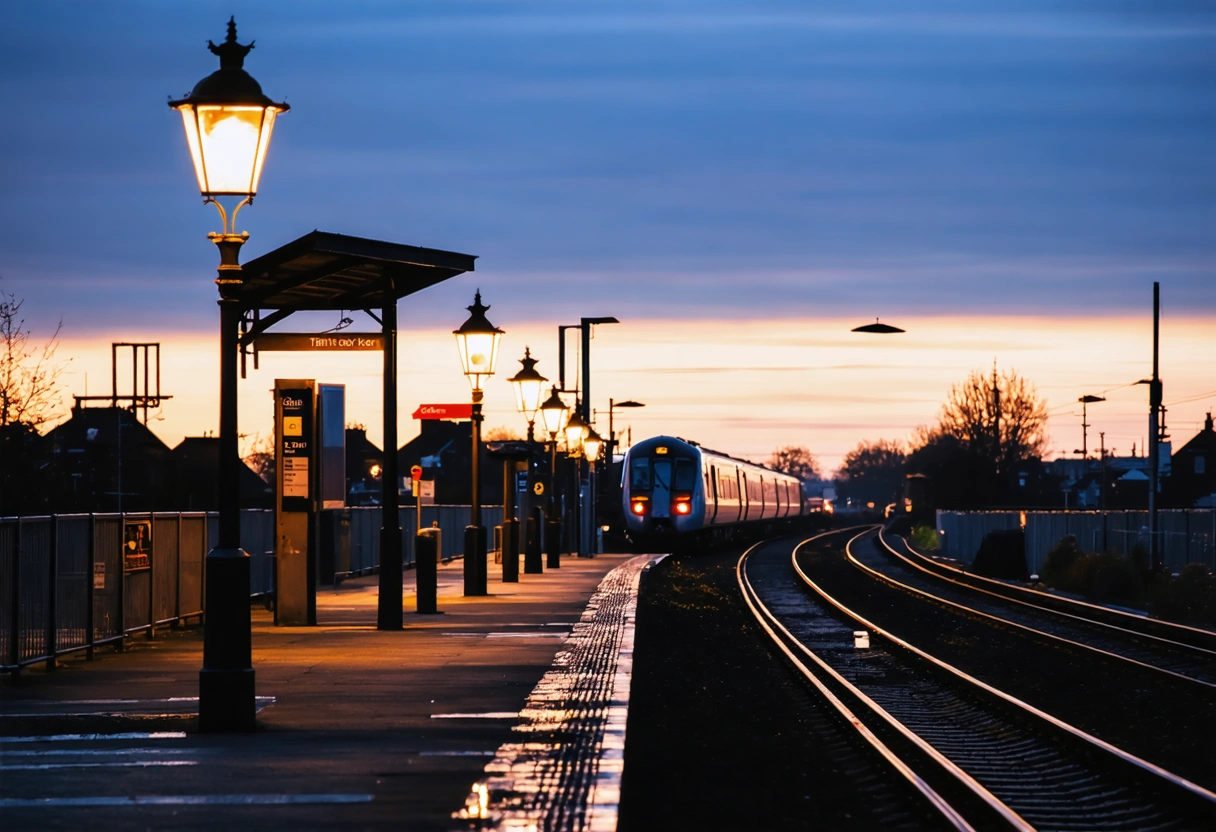
The story of British rail in 2026 is not the story of decline that dominated headlines for several years. Passenger numbers are back, leisure travel is up sharply, and a quiet rebalancing is underway between commuter and discretionary journeys.
The Office of Rail and Road publishes quarterly figures on UK passenger rail use, and the trajectory since 2023 has been a clear recovery. Total passenger journeys are back above pre-pandemic levels, with a substantial shift in the composition of those journeys. Commuter peak-hour traffic has returned but not fully; off-peak, weekend, and leisure travel have grown faster than expected. The result is a network that looks busier on Sunday afternoon than it did a decade ago, and slightly less busy at 8.30 on a Tuesday morning.
What changed
A combination of factors is responsible, and none of them is reversing quickly:
- Hybrid working. A meaningful share of office workers now commute two or three days a week rather than five. Annual season tickets have given way to flexible season tickets, day-rate fares, and Railcard-discounted off-peak journeys.
- Domestic leisure travel. Short-haul flying has become more expensive and less popular, partly for environmental reasons and partly because of pricing. Weekend train trips inside the UK have risen as a substitute.
- Network improvements on specific routes. A handful of route improvements — particularly across the North of England and on certain regional lines — have made services that were previously slow more competitive against driving.
- Pricing rationalisation. A long-standing complaint about complicated fare structures has been partially addressed, with single-leg pricing now widespread and split-ticketing increasingly redundant.
The routes that have come back fastest
A few lines have visibly reawakened. The York–Scarborough route runs busier on summer weekends than it has in twenty years. The North Wales coast route into Conwy and Bangor sees a regular pattern of two-night domestic visitors. The West Highland Line through Fort William to Mallaig is at capacity for most weekends between April and October. The Cornish branch lines run later into the evening than before.
These are mostly leisure routes, mostly weekend-loaded, and mostly outside the southeast. They are also the routes that benefit most from the off-peak Railcard discounts that have done much to make domestic train travel competitive again.
What's still difficult
Several genuine problems persist:
- Cost relative to driving. A family of four still finds it cheaper to drive most journeys, particularly outside the discounted hours. This is a structural pricing issue and unlikely to be solved quickly.
- Cancellation reliability. Some operators are running below acceptable cancellation rates; the National Rail performance dashboard publishes the figures and the worst performers are well known.
- Strikes and disputes. The frequency of disputes has reduced from the peaks of recent years but remains a factor for travellers planning around fixed dates.
- Last-mile connections. Once you arrive at a small UK station on a Sunday, getting from the station to your accommodation or destination can still be difficult. Local bus services are thin and often don't connect to train arrival times.
The Railcard arithmetic
For anyone making more than a handful of off-peak rail journeys a year, the various UK Railcards have become substantially more cost-effective. The Two Together Railcard, the Network Railcard (in the southeast), the 26–30 Railcard, and the Senior Railcard each pay back within two or three return journeys. The 16–17 and 16–25 Railcards are essentially default purchases for anyone in their age range.
A single round-trip from London to York for two people travelling on a Two Together Railcard now costs around what one person would have paid five years ago without one. That repricing is part of why leisure travel has grown.
What this means for travel planning
For weekend or short-break travellers, a few practical observations follow:
- Booking off-peak return tickets twelve weeks in advance, when Advance fares are first released, captures the lowest prices on most routes.
- Sundays often have engineering work that affects journey times. The National Rail journey planner is reliable; the operator websites sometimes are not.
- For groups of three or four, the Two Together Railcard combined with a GroupSave fare can make rail competitive with driving, particularly for trips into central cities where parking adds substantial cost.
A network that for years was described in newspaper editorials as broken is, on the actual numbers, working better than it has in some time. The change is uneven and incomplete, but for the leisure traveller in 2026, the train is back as a real option.
A practical starter route
If you've not used UK rail for a leisure trip in some years and want a low-friction reintroduction, three routes consistently work for visitors: London to York, Manchester to Edinburgh, or any of the Cornish branch lines from Truro. Each combines a comfortable journey, a clear arrival, and a destination that rewards the time invested.
Related Reading
- UK's Best Weekend Breaks to Take in 2026
Travel · 8 min
- A Practical Guide to UK Coastal Walks for First-Time Walkers
Travel · 8 min
- 10 Things UK Residents Should Know About the Changing High Street
Society · 8 min