Society
10 Things UK Residents Should Know About the Changing High Street
By Maya Patel · 2026-04-19 · 8 min read
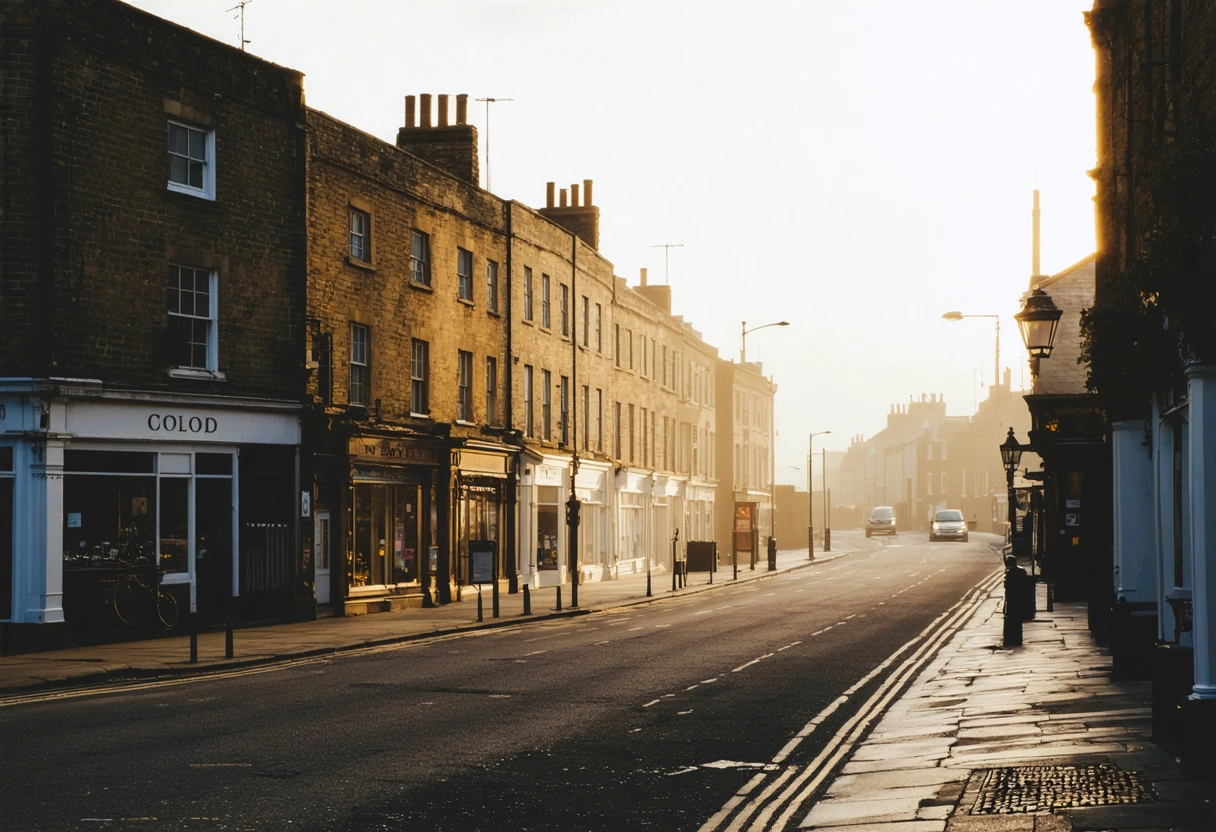
Vacancy rates on UK high streets are roughly double what they were in 2010. The picture is more nuanced than simple decline — and a lot of what gets blamed for it is incorrect.
The British high street is the subject of more political attention than almost any other piece of urban infrastructure. Government-commissioned reviews appear regularly; local councils launch revival schemes annually. The data, however, points toward a more structural shift than any single policy can reverse. These ten observations cover what's actually changing and why.
1. Vacancy is uneven, not uniform
The British Retail Consortium and the Local Data Company both publish vacancy figures by region. The headline national rate hides a sharp regional split: the South East and London show vacancy rates close to 12 per cent, while parts of the North East and North West sit closer to 18 per cent. The same is true within cities — central pitches stay let, while secondary streets see structural emptiness.
2. Rents have not fallen as fast as footfall
When demand for retail space falls, rents should fall too. In practice, UK commercial rents are sticky downward because long leases and complex landlord structures resist quick repricing. The result is that footfall and rent have moved in opposite directions for nearly a decade in some locations, which prolongs vacancy and accelerates closure.
3. The shift is online but also out-of-town
Online shopping accounts for around a quarter of UK retail spending — much higher than most European peers, and a major driver of high street decline. Less discussed: the shift to retail parks and supermarket-anchored locations has been almost as significant. Customers who don't buy online still often choose covered, free-parking sites over a traditional high street.
4. Hospitality has partly filled the gap
Coffee shops, restaurants, and bars now occupy a higher share of UK high-street frontage than at any point in the post-war period. Where retail has retreated, hospitality has often advanced. This is genuine adaptation rather than decline — but it changes the function of the high street from a place to buy goods to a place to spend time.
5. Service uses are growing
Beauty salons, nail bars, dental practices, opticians, and physiotherapy clinics have all expanded their share of high-street space. These are activities that cannot be done online and that benefit from a visible street-level presence. They are unglamorous but they are why many secondary high streets are not as empty as the retail vacancy figures suggest.
6. Independent retailers are not uniformly losing
The simple narrative of "chains crushing independents" reverses when you look at recent data. Many of the most public closures of the past five years have been national chains. Independent retail, particularly food, drink, and specialist categories, has shown more resilience in many high streets than chain retail. The reasons are partly about lease flexibility and partly about consumer preference for distinctiveness.
7. Banks and building societies are leaving
UK bank branch closures have continued at pace, and the secondary effect on high streets has been substantial. A closed branch removes both footfall and a category of customer (often older) who used to combine a banking visit with other purchases. Government-backed banking hubs are being rolled out in some communities but the coverage is uneven.
8. Business rates remain a sore point
Commercial property pays business rates in the UK, and the way those rates are calculated has been criticised by retail trade associations for years as being weighted against bricks-and-mortar businesses. Reform has been promised by successive governments. Until it materialises, business rates are part of the cost equation that pushes some marginal high-street businesses to close.
9. Mixed-use redevelopment is the most common revival strategy
Where high streets have visibly recovered, the most common pattern has involved converting upper floors of retail buildings into housing, increasing residential population in town centres, and consequently increasing daytime and evening footfall. This is slow work but it is generally working in places that have committed to it.
10. The "death of the high street" framing is overstated
The British high street is changing, not dying. Its function is shifting from being primarily a place where goods are bought to being primarily a place where services are used and time is spent. That is a different kind of place — but not necessarily a worse one. Communities that adapt their high streets to the new function are visibly succeeding; communities that try to preserve the old function unchanged are not.
The high street that worked in 1995 — a string of clothing chains, a few banks, a Woolworths — is gone. The high street that works in 2026 looks different and serves different needs, and that's not the same as failing.
A practical takeaway
If you live near a high street and want to understand what's likely to happen to it next, the most useful indicators are not vacancy figures. They are: how many residential conversions are visible above shops, how many independent food and drink venues have opened in the past two years, and whether the council has a published town-centre plan that talks about people rather than retail.
Those three indicators predict trajectory better than any single statistic.
Related Reading
- Inside the World of Britain's Pubs as Community Hubs
Society · 7 min
- How Volunteering in the UK Has Quietly Reshaped Itself
Society · 8 min
- UK's Best Third-Wave Coffee Cities to Visit in 2026
Lifestyle · 7 min