Home
Buy a UK Sofa Without Regretting It Six Months Later
By Sophie Clarke · 2026-04-22 · 9 min read
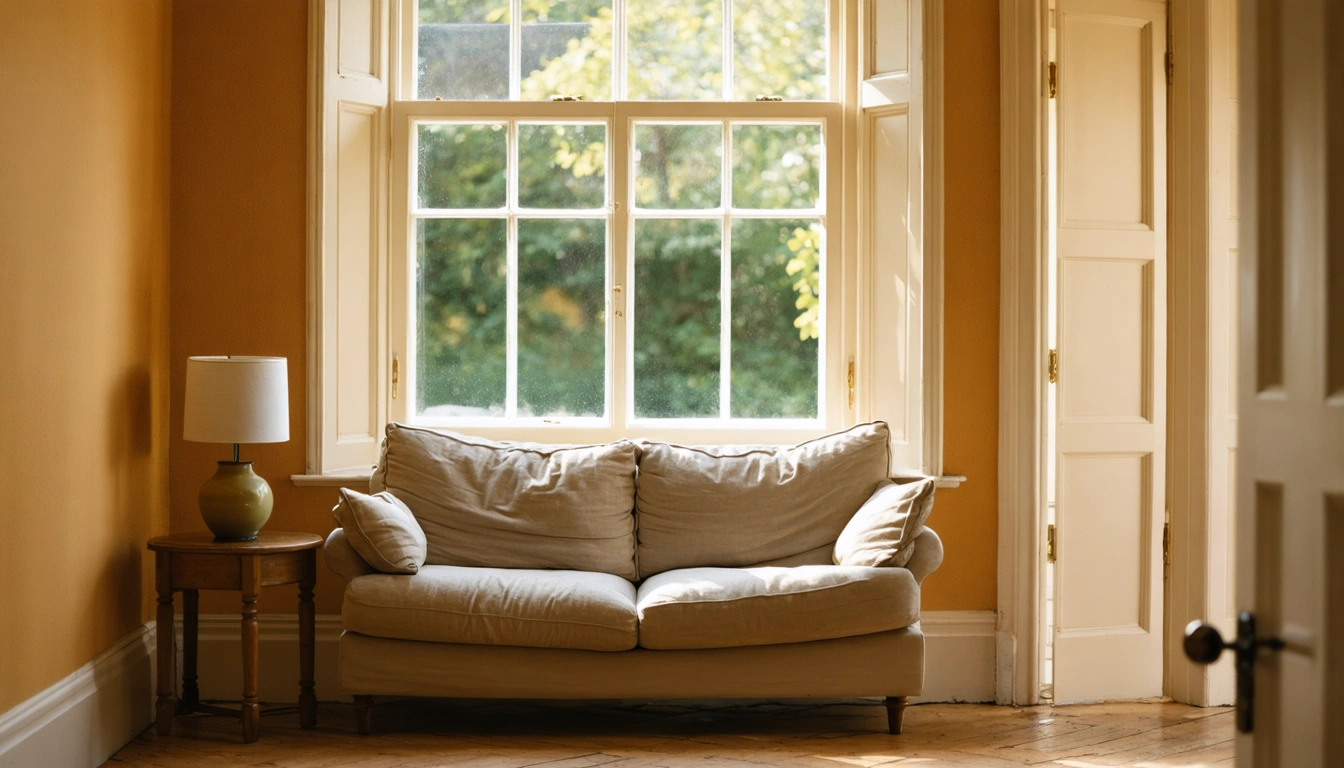
Buying a sofa under £500 in the UK is more about restraint than ambition. Six things matter, and the rest is marketing.
The UK sofa market is unusually crowded for a piece of furniture most households replace every seven to ten years. Online specialists, big-box retailers, second-hand marketplaces, and the showroom giants all want your living room. Each makes promises that look reasonable in a product photo and sound less reasonable when the delivery van leaves and the cushions immediately compress under your weight. This guide is for anyone shopping in the £300–£500 bracket and trying to avoid the most common regrets.
1. Decide on size before anything else
The number one cause of sofa regret in the UK is sizing — either ordering something that won't fit through the front door, or buying a three-seater that drowns a small living room. Measure your room first, then your doorways and stairwells second.
A useful rule: leave at least 90 cm of walking space around any sofa. If your room is under 4 m × 3 m, a two-seater or compact three-seater is almost always the right answer. Manufacturers sometimes label compact three-seaters as "two-and-a-half seaters" — that's the size you usually want.
2. Know what the frame is made of
Frame quality is the single biggest predictor of how long a sofa lasts. In the under-£500 bracket you'll see three common materials:
- Pine softwood — cheapest and most common. Lasts five to seven years if treated well; expect frame creak after year three.
- Birch ply or hardwood — what mid-range upholsterers use. Better. Worth checking on the spec sheet.
- Particleboard / chipboard — used in some flat-pack models. Avoid for anything you'll sit on every day.
Reputable retailers list frame materials in the product details. If the page doesn't mention the frame at all, treat that as a warning.
3. Check the fillings — and what they will look like in two years
Sofa cushions are typically filled with foam, fibre, feather, or a mix. Each behaves differently over time:
- High-resilience foam holds shape best.
- Feather and fibre is comfortable initially, sags faster, requires regular plumping.
- Mixed foam-and-fibre is the common compromise.
Showroom test: sit on the sofa, then stand up and watch the cushion. If it springs back fully within ten seconds, the foam is decent. If it leaves a visible dent, that's where it'll stay.
4. Read the upholstery label honestly
UK upholstery is rated for fire resistance under the Furniture and Furnishings (Fire) (Safety) Regulations 1988 — every sofa sold for domestic use must have a permanent label confirming compliance. Beyond that legal minimum, the fabric itself matters:
- Polyester blends — durable, easy to clean, common in budget ranges.
- Cotton-linen blends — handsome, but show wear and stains faster.
- Velvet — currently fashionable, looks excellent for the first year, marks easily.
- Faux leather — peels at the seams within two years in most budget products. Not worth it.
If you have pets or small children, polyester or a heavy weave is the practical answer.
5. Understand the delivery and returns small print
Furniture is one of the most-complained-about consumer categories in the UK, and the most common dispute is delivery. Before ordering, check:
- Lead time (eight to twelve weeks is normal for made-to-order)
- Whether delivery is to your room of choice or to the kerb
- Whether removal of old furniture is included or charged
- Returns window and conditions for items not received "as described"
Pay by credit card if you can — Section 75 of the Consumer Credit Act gives you joint liability protection on purchases over £100 and under £30,000, which can save a lot of correspondence if anything goes wrong.
6. Compare four UK retailers, not one
The same sofa shape gets re-skinned across multiple brands. Compare product specs (frame material, foam density, dimensions) rather than relying on brand reputation alone. Useful starting points in the UK budget sofa market:
- Dunelm — strong on compact sofas and matching footstools
- Wickes — basic but functional ranges; clear spec sheets
- John Lewis — slightly above £500, but their lower-end Anyday range competes
- Argos and Habitat — budget end, mixed reviews on long-term durability
Read recent independent reviews, not just on-site reviews. Filter by 2024–2026 dated reviews to avoid out-of-date spec changes.
7. The two questions to ask yourself before clicking buy
Before you commit, sit with these two questions for an hour:
- Will this sofa survive the next move? Cheap frames often don't.
- Is the colour and pattern something I'll still like after a renovation, a paint job, or a child arrival?
A neutral fabric in a well-built compact frame is almost always the lower-regret choice than the on-trend velvet showpiece.
Most under-£500 sofa regrets come from cushion sag, fabric peeling, and the wrong size — not from poor brand choice. Get the basics right and the brand matters far less than the marketing suggests.
What to do next
If your room is under 12 m², stop reading and measure your doorway first. If it's larger, narrow your shortlist to three frames in pine or birch ply, in polyester upholstery, with foam-fibre cushions, between 180 and 210 cm wide. That short list will protect you from the vast majority of common UK sofa-buying mistakes.