Home
How to Paint a UK Room Like a Professional in 2026
By James Whitmore · 2026-04-01 · 8 min read
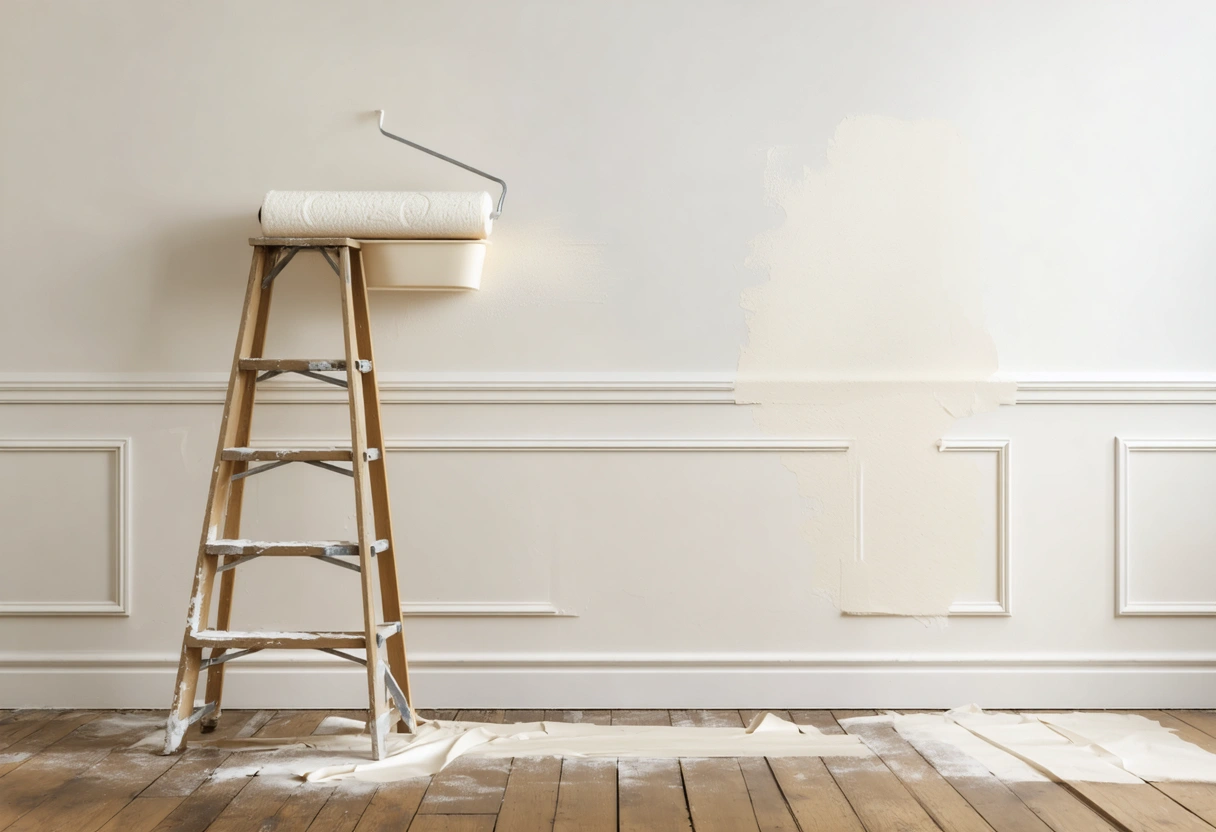
The single biggest difference between a professional and a confident DIY paint job in a UK home is not the brush — it's the preparation. Roughly seventy per cent of a decorator's time goes on filling, sanding, and masking. Roughly thirty per cent goes on the paint itself.
Painting a room well is one of the cheapest renovation jobs you can do, and one of the easiest to do badly. Most people who attempt it independently do an acceptable job, and most people who attempt it independently are quietly aware that the corners don't look quite right. This article walks through the questions that come up most often when first-time UK decorators try to lift their work to professional standard.
How long should a single room actually take?
A professional decorator working alone takes between two and three full days to repaint a typical UK living room from emulsion to emulsion, including ceilings and woodwork. A weekend warrior usually takes about five evenings and one full day for the same work, because the preparation is split across short sessions and drying times accumulate.
If you're trying to finish a room in a single weekend, you'll cut preparation, and the result will show within a year as cracking caulk, visible filler, or peeling at the woodwork edges.
What preparation actually matters?
Three preparation steps are non-negotiable:
- Wash the walls. UK households generate a thin film of cooking grease, smoke residue, and dust that paint sticks to badly. Sugar soap and a microfibre cloth, then rinse. Skipping this step is the most common cause of premature peeling in kitchens and around radiators.
- Fill, then fill again. Most cracks visible after one coat of filler reappear within a year. Fill, sand flat, apply a second skim, sand again. Two passes nearly always; three passes around hairline cracks above doorframes.
- Mask everything before you start, not as you go. Masking tape, dust sheets over carpets and furniture, and a layer of low-tack film over electrical fittings. Five minutes of masking saves an hour of touch-up.
A room that is properly prepared can be painted quickly. A room that is badly prepared cannot be painted well at any speed.
Which paint should I actually buy?
For UK interior walls, the choice is between trade-grade and consumer-grade emulsion. Trade-grade (the lines that decorators buy in 5- and 10-litre tubs) covers in two coats and is usually £25–£40 for 10 litres. Consumer-grade in 2.5-litre tins is sold at around £20–£28 and often needs three coats for full opacity, particularly over strong colours.
Per square metre painted, trade-grade is significantly cheaper. The reason it isn't more popular with DIYers is brand recognition — the consumer brands advertise more and the trade brands assume you already know what you want.
For woodwork, water-based satin or eggshell has overtaken oil-based gloss in UK professional practice over the last decade. It dries faster, yellows less, and brushes more cleanly. Oil-based gloss is still common in older homes for skirtings and architraves but is slower to recoat and harder to clean up.
Should I roll or brush?
Both, in this order: brush the edges, corners, and around fittings (this is called "cutting in"), then roll the open wall surfaces. A 9-inch microfibre roller covers a wall faster than any brush; a 2-inch angled brush cuts cleaner edges than any roller.
A common DIY mistake is to roll first and then try to cut in afterward. The result is a visible band of brush texture along every edge. Cutting in first, while the wall is dry, gives you a wet edge to roll into.
What's the right order for the whole room?
Professional sequence:
- Ceiling first
- Walls next
- Woodwork last (skirting, architraves, doors)
- Final touch-up of any spatter on woodwork from earlier coats
This order minimises the risk of dripping ceiling paint onto a finished wall or wall paint onto finished woodwork.
How many coats?
For new plaster: a mist coat of diluted emulsion (1 part water to 4 parts paint) followed by two full coats. Skipping the mist coat causes the first full coat to sit on the surface and peel away.
For previously painted walls in good condition: usually two coats. If the new colour is more than two shades different from the old colour, three coats. Trying to skip the second coat is one of the most common reasons DIY paint jobs look "almost right" — the colour is almost uniform but not quite, and the difference is visible in oblique light.
How do I avoid roller marks and brush lines?
Three rules:
- Don't overload the roller. Excess paint creates ridges at the edges.
- Don't keep rolling over an area that's starting to dry. Move on; come back to it after the next wall.
- Brush in long single strokes, with the grain on woodwork and vertically on walls. Short choppy strokes leave texture.
When is it actually worth hiring a decorator?
Three rooms where DIY tends to disappoint: stairwells (working at height with cuts to ceiling and dado), bathrooms (humidity affects coverage and curing), and kitchens (heat and grease around the cooker complicate edge work). For these rooms, a professional charges roughly £150–£300 per day in 2026 UK rates, and the result usually justifies the cost.
For a single living room or bedroom in good repair, a careful DIY job can match a professional finish — provided you don't try to compress the timeline and don't skip preparation.
Painting well is mostly patience: more time on the wall before you open the tin, and one more coat than you think you need.
A weekend plan that works
Friday evening: wash walls, mask, fill cracks (round one). Saturday morning: sand, second fill, sand again, dust off. Saturday afternoon: ceiling, then mist coat on any new plaster. Sunday morning: cut in walls, then roll first coat. Sunday afternoon: second coat walls, then woodwork. Monday evening: touch-ups under good light.
That sequence — broken across three days with proper drying time — produces a result that's honestly hard to distinguish from professional work, in any standard UK room.