Home
Why UK Kitchen Renovation Costs Surprise First-Time Owners
By Alex Thornton · 2026-04-15 · 8 min read
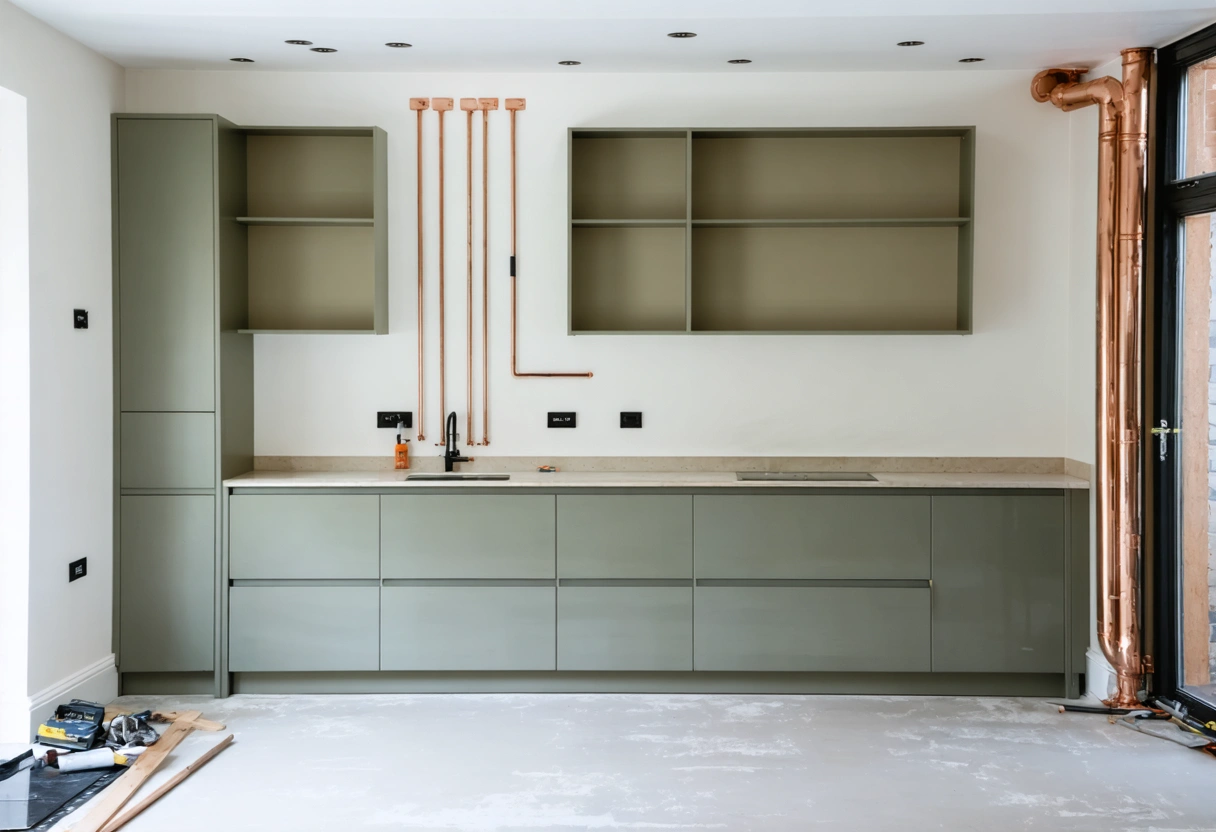
A typical UK kitchen renovation runs over budget by about a fifth. The reasons sit in three categories that are predictable in advance — if you know where to look.
A kitchen is the most expensive room to renovate in a UK home, and the room where the gap between the quoted price and the final invoice is widest. Industry estimates from trade associations regularly put average overruns at between fifteen and twenty-five per cent of the original quote. That gap is rarely caused by greedy contractors. It's caused by costs that aren't visible at the design stage but become unavoidable once the old kitchen is out and the structural reality of the room is exposed.
Why the headline price is misleading
The headline figure most kitchen retailers advertise is for cabinetry and worktops only. It assumes a level floor, plumb walls, working electrics in the right places, and a flat ceiling. In a typical pre-2000 UK home, none of those assumptions hold without remedial work.
Public guidance from Citizens Advice on home improvement contracts is unambiguous: ask for itemised quotes that separate cabinetry, installation, plumbing, electrics, and decorating. Most disputes between homeowners and fitters arise from headline pricing that bundles labour assumptions into a single line.
Where the money actually goes
Kitchen budgets break down into three groups, and the proportions are surprisingly consistent across price brackets:
- Cabinets, worktops and appliances — typically 50–60 per cent of total spend. Visible in catalogues. Easy to compare.
- Installation and trade labour — typically 25–35 per cent. Includes joinery, plumbing, electrics, tiling, plastering. Quoted separately by skilled tradespeople.
- Hidden remediation — typically 10–20 per cent. The boiler that won't connect to a new appliance circuit. The wall that turns out to be load-bearing. The floor that needs levelling. The waste pipe that has to be re-routed.
The third group is what blows budgets. It's also the group that is genuinely difficult to estimate without exposing the structure first.
The three predictable surprises
Most overruns trace back to one of three known categories:
Electrical capacity
UK consumer units in older homes were not designed for induction hobs, double ovens, instant boiling water taps, and dishwashers running concurrently. A common discovery after the old kitchen comes out is that the existing circuit cannot legally support the new appliance load. The fix is a new dedicated circuit and sometimes a consumer-unit upgrade — usually £400–£1,200 and a Building Regulations notification.
Waste plumbing
Sinks and dishwashers move when kitchens are redesigned. UK building practice for waste runs prefers gravity flow at a consistent fall. If the new sink position is far from the existing soil stack or the floor void is shallower than expected, the waste pipe needs re-routing or a macerator pump. Both add cost.
Floor levelling
Quartz, granite, and engineered worktops are unforgiving to uneven cabinet bases. If the floor is more than 5 mm out of level over the kitchen run, the units have to be packed and shimmed before the worktop can be templated. In older terraced houses with sleeper-joist floors, this is common and usually adds half a day of joinery.
What a realistic budget looks like
For a small UK kitchen (8–12 m²) at mid-range specification:
- Cabinets and worktops from a major retailer: £4,000–£8,000
- Mid-range appliance package: £1,500–£3,500
- Installation labour (joinery, electrics, plumbing): £3,000–£6,000
- Tiling, decorating, flooring: £800–£2,500
- Contingency (10–15 per cent): £1,000–£2,000
Total realistic range: £10,000–£22,000. The wide spread reflects the difference between flat-pack with self-installation at one end and rigid built cabinetry with fitted appliances at the other.
Where to compromise without regret
The components that survive longest in a kitchen are cabinet carcasses, worktops, and fixed plumbing. Cabinet doors, handles, taps, and visible appliances are easier to replace later. A useful approach for tight budgets:
- Spend on solid cabinet construction
- Spend on a worktop you'll be happy with for fifteen years
- Save on cabinet doors and handles (these can be swapped affordably)
- Save on appliances if you don't cook intensively
Conversely, the components that look like savings but rarely are: thin laminate worktops in a heavily used kitchen, the cheapest extractor hood, and budget plinths that warp from cleaning water within a year.
A kitchen renovation that lands within ten per cent of its quoted budget usually started with detailed pre-strip surveys and a contingency line that the homeowner refused to spend on upgrades.
The questions to ask before signing
Three questions, asked of every quote, prevent most disputes:
- What is included in installation, item by item?
- What is the specific allowance for remedial work, and what happens if it runs over?
- Are appliances priced individually or as a fixed package?
Quotes that resist itemisation are the quotes most likely to drift in the final invoice. The contractors who answer all three clearly are usually the contractors worth hiring.