Home
A Practical Guide to UK Home Energy Efficiency in 2026
By Sophie Clarke · 2026-03-25 · 9 min read
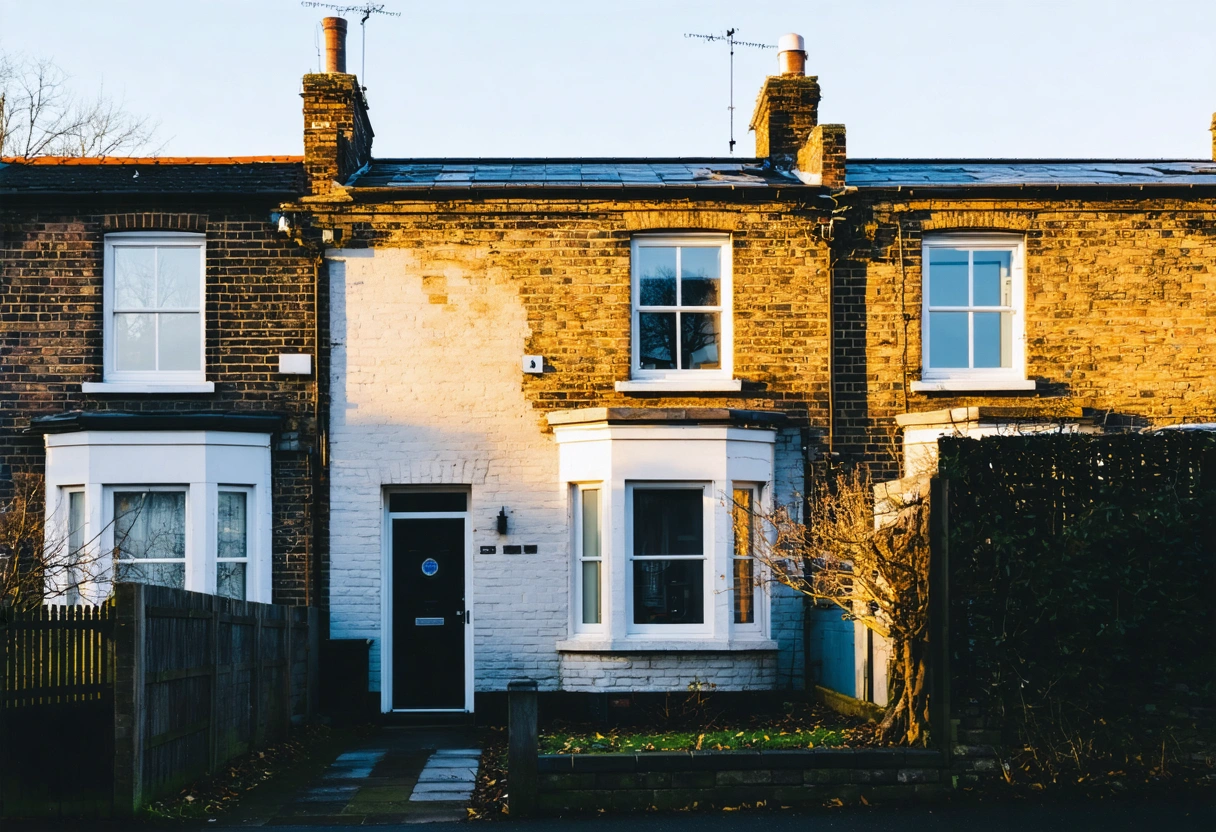
A typical UK home loses more energy through walls and roof than it does through windows. The interventions that actually shift the bill are unglamorous — and the support schemes that pay for them change every year.
UK domestic energy use has been the subject of two decades of policy, and the result is a complicated landscape of schemes, ratings, and certificates. The headline figures are simpler than the policy: about thirty per cent of an average UK household's energy goes on space heating, about fifteen per cent on hot water, and the remaining fifty-five per cent on appliances, lighting, and cooking. Genuinely reducing a bill means reducing one of those buckets, and the order in which to attack them is well established.
Where the energy actually goes
The Department for Energy Security and Net Zero publishes regular statistics on UK domestic energy use. The pattern has been stable for a decade:
- Space heating — about 60% of a typical home's energy demand, dominated by gas in most homes
- Water heating — about 15%
- Cooking — about 4%
- Lighting and appliances — about 21%
Reducing space heating demand has by far the largest impact on a typical bill. The next largest is reducing the cost of producing that heat — usually through tariff or system changes.
What insulation actually does
UK housing stock is unusually old by European standards. About a third of homes were built before 1944, and around half of all homes lose more heat through their walls than through any other element. Cavity wall insulation, where suitable, typically reduces a bill by £200–£400 per year and pays back in three to five years. Loft insulation is even cheaper and pays back faster.
Solid-wall insulation (for the roughly 8 million UK homes built before cavity walls were standard) is more expensive — usually £8,000–£15,000 — but the running-cost reduction is also larger.
The official source of truth on what your home is currently rated at is its Energy Performance Certificate, which you can look up on the gov.uk register. A typical UK home rates D or E. Moving from D to C usually saves around £200 per year and adds value at sale.
Heating systems
Most UK homes still heat with mains gas. The replacement options in 2026 are essentially:
- A new condensing gas boiler — cheapest to install (£2,500–£4,000), modest efficiency gain over an old boiler.
- An air-source heat pump — higher capital cost (£7,000–£14,000), much lower running cost if the home is well insulated, government support via the Boiler Upgrade Scheme.
- A hybrid system — gas boiler plus heat pump, working together depending on outdoor temperature. More expensive to install, simpler to retrofit.
Heat pumps work best in homes with good insulation and larger radiators. In a poorly insulated 1950s semi, a heat pump will struggle and the bill won't drop the way the marketing suggests. The order is: insulate first, replace heating system second.
Appliances and standby load
The other twenty per cent of a UK household's energy goes on lights and plugged-in appliances. The biggest individual contributors are:
- Tumble dryer (especially condenser models)
- Electric oven
- Dishwasher
- Refrigerator (older models particularly)
- Standby loads from set-top boxes, gaming consoles, and chargers
Replacing an A-rated 2008 fridge with a current-rated equivalent typically saves £30–£60 per year. Switching all lighting to LED, where it isn't already, saves a similar amount in a typical home. Neither is dramatic individually but both compound.
Government schemes that are still open
The landscape changes annually. As of 2026, the schemes most homeowners use:
- Boiler Upgrade Scheme — grants of up to £7,500 toward a heat pump or biomass boiler.
- ECO4 — for low-income or vulnerable households; covers insulation upgrades. Apply through your energy supplier.
- Great British Insulation Scheme — broader eligibility than ECO4, focused on lower-rated homes.
Eligibility criteria change regularly. The official summary lives on gov.uk and is the only source worth trusting on current rules.
Realistic priorities for a typical UK home
If you're standing in a D-rated 1970s semi with an old gas boiler, the priority order is:
- Loft insulation to current standards (if not already done)
- Cavity wall insulation (if walls are suitable and not already filled)
- Draught-proofing windows and doors
- Smart thermostat and zoned heating control
- Replacement boiler when the existing one fails
- Heat pump if the home reaches EPC C or better
- Solar PV with battery, last in the queue, only when the easier wins are exhausted
Doing them in roughly this order maximises the return on each pound spent. Doing them in the opposite order — solar panels on a poorly insulated home — gives the headline-grabbing kit but the smallest actual saving.
The cheapest unit of energy is the one you don't use. Insulation is unglamorous and unsexy and pays back faster than almost anything else available to a UK homeowner.
What to do this month
If you've never looked up your EPC, do that first. It tells you the current rating, the recommended improvements, and the rough cost-and-saving estimates for each. The recommendations are conservative but they're a credible starting point. From there, the second step is a quote — most local installers offer free surveys for insulation work, and the surveys themselves are useful regardless of whether you proceed.